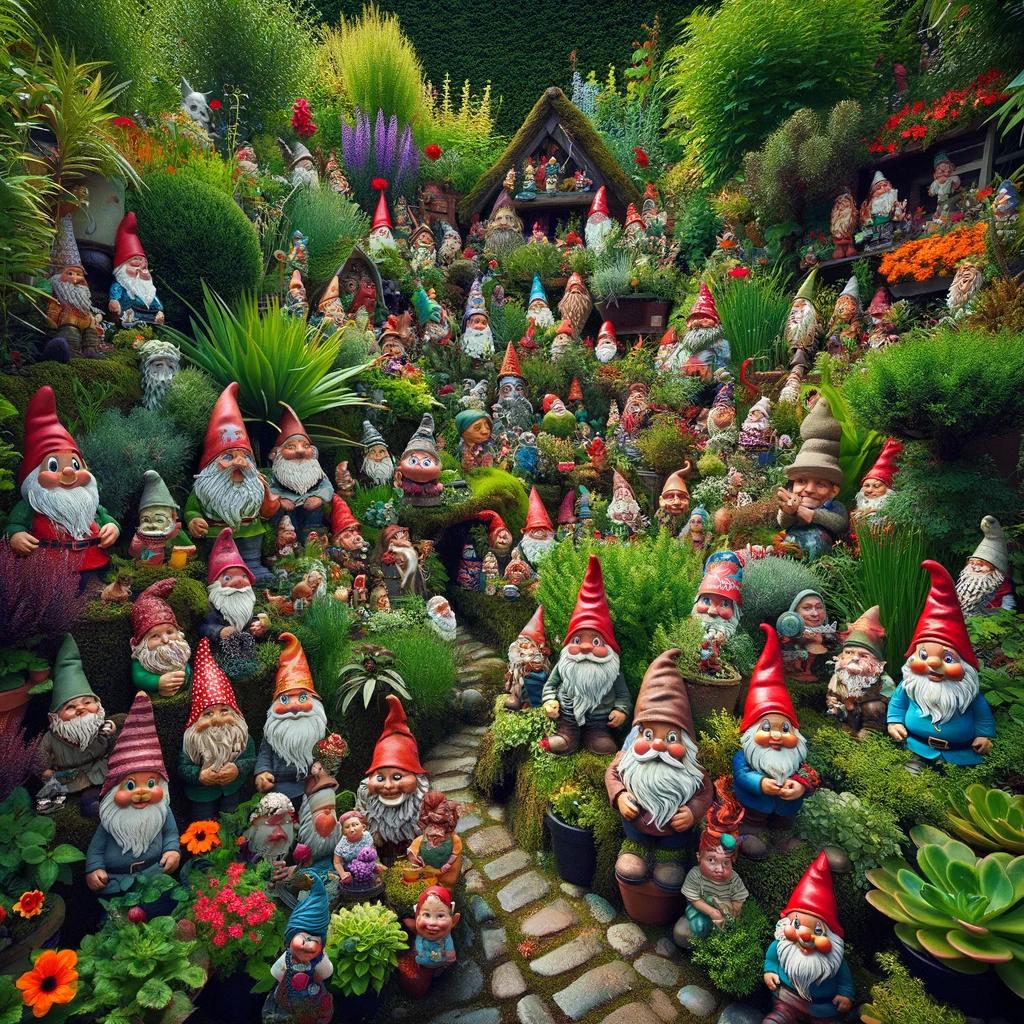
Garden gnomes, those quaint, colorful figures dotting landscapes and gardens, are more than mere decorations; they’re steeped in history and folklore. Originating in the 19th century in Germany, garden gnomes quickly became beloved symbols of good luck and protectors of the garden. These small statues, traditionally depicting bearded men wearing red pointy hats, were first crafted from terracotta clay. Their popularity surged in Europe, making them a common sight in gardens across the continent. It was believed that they protected plants and animals while bringing good fortune to their owners.
The evolution of garden gnomes has seen them transcend their traditional European origins to become a global phenomenon. Today, they come in a variety of styles, sizes, and themes, ranging from the classic to the modern, and even whimsical pop culture figures. This diversity reflects the changing tastes and creative desires of gardeners and collectors alike. Beyond their decorative appeal, garden gnomes have sparked a subculture of enthusiasts who collect and even travel with their gnomes, taking photos of them in various locations around the world. This playful engagement highlights the gnome’s enduring charm and the joy it brings to people’s lives.
Despite their cheerful appearance, garden gnomes have also been at the center of debates and controversies. Some homeowner associations and communities have banned them, citing their potential to lower property values or detract from the natural beauty of landscapes. Nonetheless, the love for garden gnomes persists, with many defending their right to display these quirky statues. Whether revered or reviled, garden gnomes undeniably hold a unique place in garden culture and folklore, embodying a spirit of whimsy and wonder that continues to enchant and provoke conversation among all who encounter them.
Leave a Reply